

15 Tips for Moving to Chicago: A Complete Guide
April 20, 2026
- News
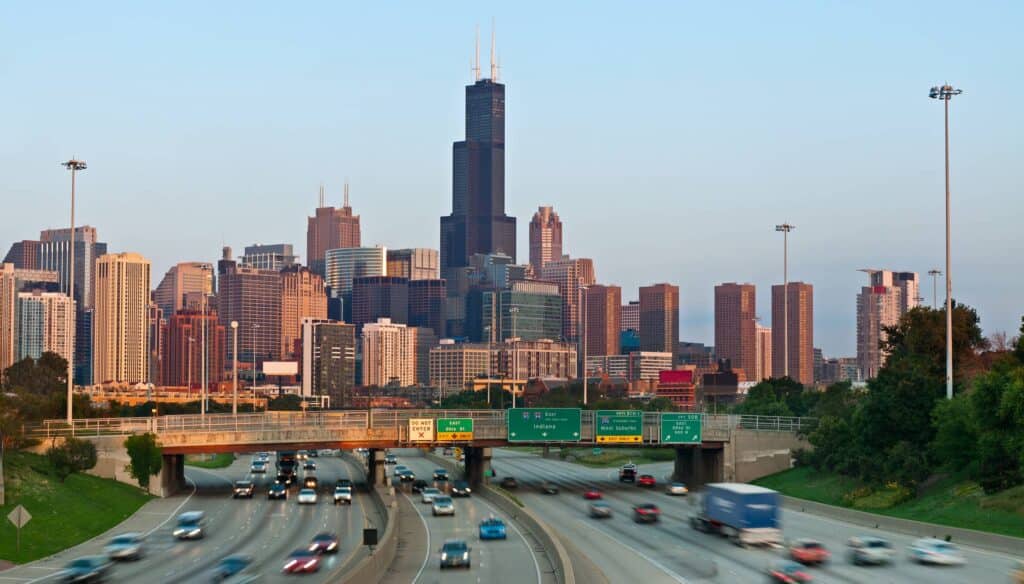
Moving to Chicago is an exciting step, whether you’re moving from another state or just a nearby suburb. With its diverse neighborhoods, world-class food, and endless things to do, the city offers something for everyone. Although like any major move, getting here takes some planning, especially in a city known for busy streets, tight parking, and unpredictable weather.
If you’re wondering how to move to Chicago without unnecessary stress, this guide will walk you through what to expect, how to prepare, and practical tips to make your transition smoother.
How to Move to Chicago
Relocating to a city like Chicago comes with its own set of challenges. These practical tips can help you avoid common issues and settle in more easily.
- Plan your move around traffic patterns
- Secure parking permits ahead of time
- Reserve elevators if you’re moving into a high-rise
- Declutter before packing to reduce costs
- Clearly label all boxes by room
- Keep weather conditions in mind when scheduling
- Use durable packing materials to protect your items
- Check building rules and moving restrictions
- Budget for city-related expenses like parking and fees
- Visit neighborhoods before choosing one if possible
- Learn your public transportation options early
- Pack a separate essentials bag for your first night
- Consider storage if your timing doesn’t line up
- Work with experienced Chicago long-distance movers
- Choose a moving date that avoids peak demand when possible
These small steps can make a big difference in how smooth your move feels.
Read More: How to Carefully Pack Dishes for Moving
What to Know Before Moving to Chicago
Before packing your boxes, it helps to understand what daily life in Chicago looks like. From cost of living to transportation, a little research upfront can save you time and frustration later.
Cost of Living in Chicago
Chicago offers a wide range of living options, from luxury downtown apartments to more affordable neighborhoods further out. Rent and mortgage prices can vary significantly depending on location, and it’s important to factor in utilities, parking, and commuting costs when setting your budget.
Chicago Weather & Seasonal Changes
Chicago experiences all four seasons, and the weather can shift quickly, so planning ahead is important. Winters are cold, windy, and often snowy, with average January highs around 31–33°F and lows near 20–22°F. It’s not uncommon for temperatures to drop below 0°F several times each year, especially with wind chill coming off Lake Michigan.
Summers are warm and humid, with average highs in July reaching 82–84°F, and temperatures hitting 90°F or higher on about 15–20 days each year. Spring and fall are shorter but more moderate, typically ranging from the 50s to 70s, though weather can change quickly from one week to the next.
Chicago also sees about 36–43 inches of snow annually and roughly 35–40 inches of rainfall, so it’s important to be prepared for both winter storms and summer thunderstorms.
If you’re planning your move, it’s a good idea to check seasonal conditions and forecasts through the Chicago Transit Authority (CTA) or local weather resources to avoid delays and stay prepared.
Transportation & Getting Around
Chicago is well connected thanks to the Chicago Transit Authority (CTA), which includes buses and trains that run throughout the city. While many residents rely on public transit, parking can be a challenge in certain neighborhoods, and some moves require permits through the City of Chicago.

Choosing the Right Neighborhood in Chicago
One of the most important parts of moving to Chicago is finding a neighborhood that fits your lifestyle.
Some popular options include:
- Lincoln Park for walkability and parks
- Lakeview for nightlife and entertainment
- West Loop for dining and modern living
- River North for downtown convenience
- Naperville for a quieter suburban feel
Our team of skilled movers offer moving services throughout Chicago and the surrounding locations. We can help you move to or from the following locations:
- Arlington Heights
- Chicago
- Deerfield
- Des Plaines
- Evanston
- Glenview
- Lakeview
- Lincoln Park
- Logan Square
- Naperville
- Niles
- Oak Brook
- Park Ridge
- Schaumburg
- Skokie
- Wheaton
- Wilmette
- Winnetka
- Northbrook
- La Grange
Think about your commute, budget, and daily routine when choosing where to live. Chicago’s neighborhoods each have their own personality, so taking the time to explore your options can make a big difference.
Lincoln Park
Lincoln Park is one of Chicago’s most desirable neighborhoods, known for its tree-lined streets, historic homes, and easy access to the lakefront. Many families are moving to this area of Chicago because of attractions like the Lincoln Park Zoo, North Avenue Beach, and a wide range of restaurants, shops, and nightlife options.
Lakeview
Lakeview offers a mix of entertainment, dining, and residential comfort. It’s home to Wrigley Field, making it a great choice for sports fans, and features plenty of bars, theaters, and lakefront parks for an active lifestyle.
West Loop
The West Loop has become one of Chicago’s trendiest neighborhoods, known for its vibrant food scene and modern loft-style living. Randolph Street’s “Restaurant Row” is a major draw, along with art galleries and proximity to downtown offices.
River North
River North is ideal for those who want to be in the heart of the action. With its high-rise buildings, upscale restaurants, and nightlife, it’s one of the most energetic areas in the city. It’s also home to many art galleries and is just minutes from downtown.
Wicker Park
Wicker Park is known for its creative, laid-back vibe. The neighborhood features boutique shopping, live music venues, and a strong arts scene, making it popular with young professionals and creatives.
Naperville (Suburban Option)
For those looking outside the city, Naperville offers a quieter suburban lifestyle with highly rated schools, parks, and a walkable downtown area. It’s a great option for families who still want access to Chicago.

How to Move to Chicago: Step-by-Step Guide
If you’re unsure where to start, breaking the process into steps can make everything more manageable.
- Create a moving timeline
- Set a realistic budget
- Research neighborhoods and housing
- Hire a professional moving company
- Schedule utilities and address changes
- Prepare for moving day logistics
Taking a structured approach helps reduce last-minute stress and keeps your move on track.
Common Challenges When Moving to Chicago (And How to Avoid Them)
Even well-planned moves can run into obstacles, especially in a busy city.
Some of the most common challenges include:
- Limited parking and permit requirements
- Heavy traffic during peak hours
- Narrow staircases or tight building access
- Weather-related delays
Planning ahead and working with movers who understand Chicago’s layout can help you avoid unnecessary setbacks.
Read More: How to Move Couches and Heavy Furniture
Why Hiring Local Chicago Movers Makes a Difference
Moving in a major city requires more than just transportation, it requires local knowledge. From navigating neighborhoods to handling building requirements, experienced movers can make the process significantly easier.
Choosing to use our selection of professional Chicago moving services ensures your move is handled efficiently. Our specialized team of home movers and apartment movers in Chicago are familiar with the challenges of high-rise buildings and city logistics.
Moving to Chicago from Out of State
If you’re relocating from another state, there are a few additional factors to consider. Timing, distance, and coordination all play a role in making sure your move goes smoothly.
Working with experienced long distance movers in Chicago can help simplify the process. Our team will hadle transportation, logistics, and scheduling so everything arrives on time.
Do You Need Storage When Moving to Chicago?
In some cases, your move-in date may not line up perfectly with your move-out date. That’s where storage can help bridge the gap.
Using storage services in Chicago allows you to safely store your belongings until you’re ready to move into your new space. This can be especially helpful if you’re downsizing or waiting on final paperwork.

Frequently Asked Questions About Moving to Chicago
Is Chicago expensive to live in?
It depends on the neighborhood, but Chicago offers a range of options for different budgets.
What is the best time to move to Chicago?
Spring and summer are the most popular, but fall can offer better availability and pricing.
Do I need a parking permit for moving?
In many areas, yes. It’s best to check with the city ahead of time.
What neighborhoods are best for families?
Areas like Lincoln Park, Lakeview, and suburban communities are popular choices.
How much does it cost to move to Chicago?
Costs vary based on distance, home size, and services, but planning ahead can help you stay within budget.
Make Your Move to Chicago Simple and Stress-Free
Moving to Chicago doesn’t have to be overwhelming. With the right plan, a clear timeline, and the right support, you can transition into your new home with confidence.
Whether you’re moving across the state or across the country, the team of expert professionals from our Chicago moving company are available to support you. Take the time to prepare, stay organized, and focus on the excitement of starting your next chapter in one of the country’s most dynamic cities. Give our skilled movers a call at (800) 300-0002 to receive assistance.