Self Storage Tips: A Guide to Storing Furniture, Electronics, & Accessories
October 22, 2026
- News
MIDWAY MOVING & STORAGE / STORAGE TIPS
Self Storage Tips: A Guide to Storing Furniture, Electronics, & Accessories
A practical, room-by-room guide to protecting your belongings in storage.
Whether you’re moving into a new home, downsizing, renovating, or simply running out of closet space, renting a storage unit can make life a little easier. But before you start loading boxes into an empty unit, it’s worth thinking about how to protect everything you’re putting inside.
Wooden furniture, electronics, clothing, and fragile decorations all have different storage needs. Packing them incorrectly can lead to scratches, moisture damage, broken items, and plenty of frustration when it’s time to unpack.
This self storage guide covers practical storage unit tips for preparing, packing, and protecting your belongings so they’re in good condition when you need them again.

01
PREPARE
Sort, clean, dry, and inventory your belongings before they go into storage.
02
PROTECT
Choose packing materials based on whether you are storing furniture, electronics, or fragile items.
03
ORGANIZE
Label boxes, stack carefully, and leave access to the things you will need later.
Essential Storage Unit Tips Before You Start Packing
A little preparation can save you considerable time and trouble later. Before filling boxes or moving furniture, take inventory of what you plan to store and gather the right supplies.
Clean, Sort, and Inventory Your Belongings
Start by separating everything into three groups: items you want to store, belongings you can donate or sell, and things you no longer need. There’s no reason to pay for storage space filled with items you don’t intend to use again.
Gather the Right Packing Supplies
Different belongings need different types of protection. Before you begin packing, gather these essentials:
- Sturdy moving boxes: Use smaller boxes for heavy items and larger ones for lightweight belongings.
- Bubble wrap and packing paper: Protect fragile decorations, glassware, and other breakables.
- Furniture blankets: Help prevent scratches and scuffs on wood furniture.
- Breathable furniture covers: Protect upholstery from dust without sealing in moisture.
- Plastic storage bins: Useful for many everyday items, provided everything inside is completely dry.
- Packing tape, labels, and markers: Keep boxes sealed and make everything easier to identify.
If you’re missing supplies, Midway Moving & Storage offers packing materials and moving supplies to help you prepare your belongings for transportation and storage.

PACKING SUPPLIES
Pack by material, not just by box size. Proper padding, breathable covers, and clear labels can make unpacking easier.
Furniture Storage Tips for Sofas, Tables, Mattresses, and More
Furniture can take up a significant amount of storage space, and large pieces aren’t always easy to protect. The best preparation method depends on the material, construction, and size of each item.
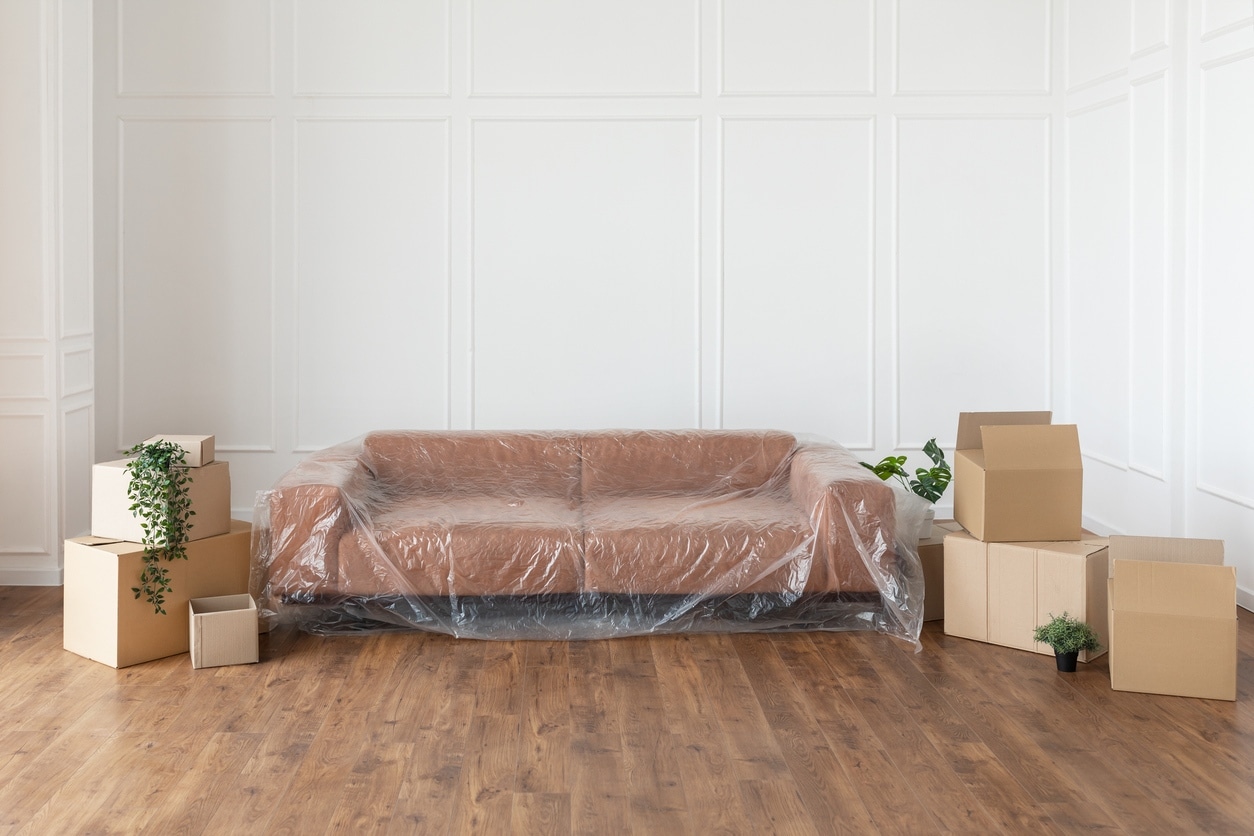
Wooden Furniture
Wooden tables, dressers, cabinets, and chairs can be sensitive to changes in temperature and humidity. Before storing them, wipe away dust and dirt with a suitable cleaner and allow the surfaces to dry completely.
Disassemble tables and other furniture when practical. Remove detachable legs, shelves, and handles, then place any screws or hardware in labeled bags.
Use moving blankets or breathable furniture covers to protect surfaces from scratches. Avoid wrapping wooden furniture tightly in plastic for extended periods, particularly in areas where moisture could become trapped.
For valuable wooden furniture or antiques, consider climate-controlled storage to help limit temperature and humidity fluctuations.
Couches, Chairs, and Upholstered Furniture
Fabric couches and upholstered chairs can collect dust, odors, and moisture if they aren’t properly prepared.
Vacuum upholstery thoroughly, including underneath removable cushions. If you notice any stains, clean them using the manufacturer’s recommended method and allow the furniture to dry completely.
Remove detachable cushions when practical and cover upholstered pieces with breathable furniture covers.
Leather furniture requires additional care. Clean and condition the leather according to the manufacturer’s instructions before storage. Avoid placing leather couches near sources of heat or exposing them to excessive humidity.
Most importantly, don’t stack heavy boxes on couches or chairs. The added weight can flatten cushions and damage their shape.
Mattresses, Bed Frames, and Large Furniture
Mattresses should be clean, completely dry, and protected with a properly fitted mattress storage cover. Follow the manufacturer’s recommendations for positioning, since some mattress materials should remain flat during extended storage.
Bed frames are usually easier to store when disassembled. Keep screws, bolts, and other hardware in labeled bags attached securely to the corresponding frame components.
For large dressers and cabinets, secure doors and drawers before transportation. Avoid overloading drawers with heavy belongings, especially if the furniture will be moved while packed.
How to Store Electronics in a Storage Unit
Televisions, computers, gaming systems, and other electronics require extra care. Moisture, extreme temperatures, and improper packing can damage delicate internal components.
Televisions and Computer Monitors
Whenever possible, use the original packaging for televisions and computer monitors. These boxes typically include protective inserts designed to support the equipment during transportation.
If you no longer have the original box, use a properly sized television or monitor box with adequate padding.
Protect screens from pressure and avoid placing heavy objects against them. Many flat-screen televisions should be stored upright, but always check the manufacturer’s recommendations for your specific model.
Computers, Gaming Systems, and Small Electronics
Before storing a computer or laptop, back up important files to an external drive or secure cloud storage service. That way, your files remain accessible if something happens to the device.
Turn off electronics completely and disconnect external accessories. Pack gaming consoles, speakers, printers, and similar devices in appropriately sized boxes with sufficient cushioning.
Pay attention to batteries. Remove standard removable batteries when the manufacturer recommends doing so, and follow device-specific instructions for rechargeable batteries.
For example, Apple’s recommendations for preserving battery life explain why long-term storage conditions and battery charge levels matter. Apple recommends storing certain rechargeable devices at approximately 50% charge rather than fully charged or completely depleted.
Also, check your storage facility’s rules before storing battery-powered equipment.
ELECTRONICS REMINDER
For lithium-ion batteries and rechargeable devices, always follow the device maker’s instructions and your storage facility’s restrictions.
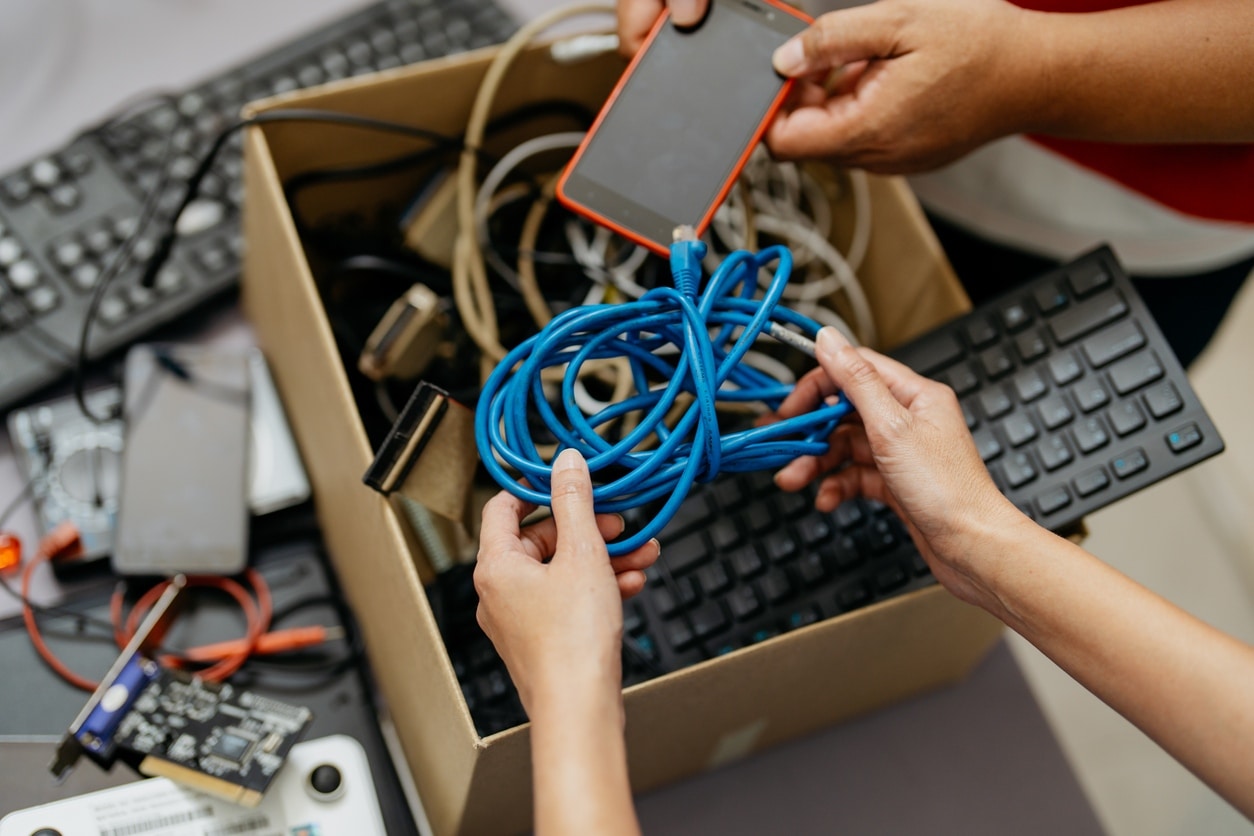
Organize Cables, Remotes, and Accessories
Have you ever unpacked a television only to discover that you can’t remember which cables go where?
Before disconnecting your electronics, take a quick photograph of the cable connections. This makes setting everything up again much easier.
Self-Storage Tips for Household Accessories and Fragile Decorations
Household decorations may be smaller than furniture, but they’re often among the easiest belongings to damage. Mirrors, artwork, glass decorations, and collectibles should be packed individually rather than thrown together in a large box.
Mirrors, Picture Frames, and Artwork
Protect mirrors and framed artwork with appropriate packing materials, such as corner protectors, glassine for suitable artwork, and padded boxes.
Large mirrors and framed pieces should be securely supported in the position recommended for their size and construction. Avoid placing heavy boxes against glass surfaces.
Photographs require special attention, particularly older family pictures. The Library of Congress recommends proper handling and protective storage materials for photographs, including photo-safe enclosures that help protect prints from dust, handling, and environmental damage.
Lamps, Vases, and Fragile Decorations
Before packing a lamp, remove the light bulb and detach the lampshade when possible. Pack the shade separately with enough room to prevent crushing.
Wrap ceramic vases, figurines, and glass decorations individually using packing paper or bubble wrap, depending on the item’s finish and fragility. Fill empty spaces in boxes with appropriate cushioning so items cannot shift during transportation.
Books, Photographs, and Collectibles
Books become surprisingly heavy when packed together. Use small, sturdy boxes and avoid filling them beyond a comfortable lifting weight.
Keep valuable books and collectibles away from moisture and extreme temperatures. Archival-quality boxes and suitable protective materials may be worthwhile for especially valuable or sentimental items.
Remember to label boxes containing fragile belongings clearly so they aren’t accidentally placed beneath heavier items.
How to Store Clothing, Bedding, and Seasonal Belongings
Clothing, bedding, and other fabrics may seem easy to store, but they can develop unpleasant odors or moisture-related damage when packed incorrectly.
Clothing, Blankets, and Bedding
Wash or professionally clean clothing before storage, depending on the fabric and care instructions. Make sure everything is completely dry before placing it in a container.
Everyday clothing and bedding can be stored in clean, suitable bins or boxes. Wardrobe boxes are helpful for garments that benefit from hanging, such as coats and certain dresses.
For delicate textiles, such as heirloom quilts and wedding dresses, ordinary plastic bins may not be the best choice. The Smithsonian provides guidance for preserving family treasures, including recommendations for using acid-free boxes and tissue paper to protect delicate fabrics.
Avoid compressing valuable fabrics tightly for extended periods, since this can create permanent creases or damage sensitive materials.
Seasonal Decorations and Outdoor Accessories
Homeowners often rotate belongings throughout the year. Winter coats, holiday decorations, patio cushions, camping equipment, and seasonal sporting goods can quickly take over closets and garages.
Clean and dry everything before packing. Store fragile ornaments in divided containers, and keep heavier seasonal equipment separate from delicate decorations.
Tips for Storing Household Appliances
Refrigerators, freezers, washing machines, and other household appliances require special preparation because they can retain water, food particles, and odors.
Refrigerators, Freezers, and Washing Machines
Before storing a refrigerator or freezer, remove all food and thoroughly clean the interior. Defrost the appliance according to the manufacturer’s instructions and allow any remaining moisture to dry. Washing machines should be drained and prepared following the manufacturer’s storage instructions.
Small Kitchen Appliances
Coffee makers, microwaves, blenders, and other small appliances should also be cleaned before storage. Original packaging can be useful for small appliances, but sturdy moving boxes with appropriate cushioning also work well.
Storage Unit Organization: Self Storage Tips and Tricks That Save Space
Most tips for storage units focus on organizing boxes and maximizing floor space. While that’s important, you also want to make sure your belongings remain protected and accessible.
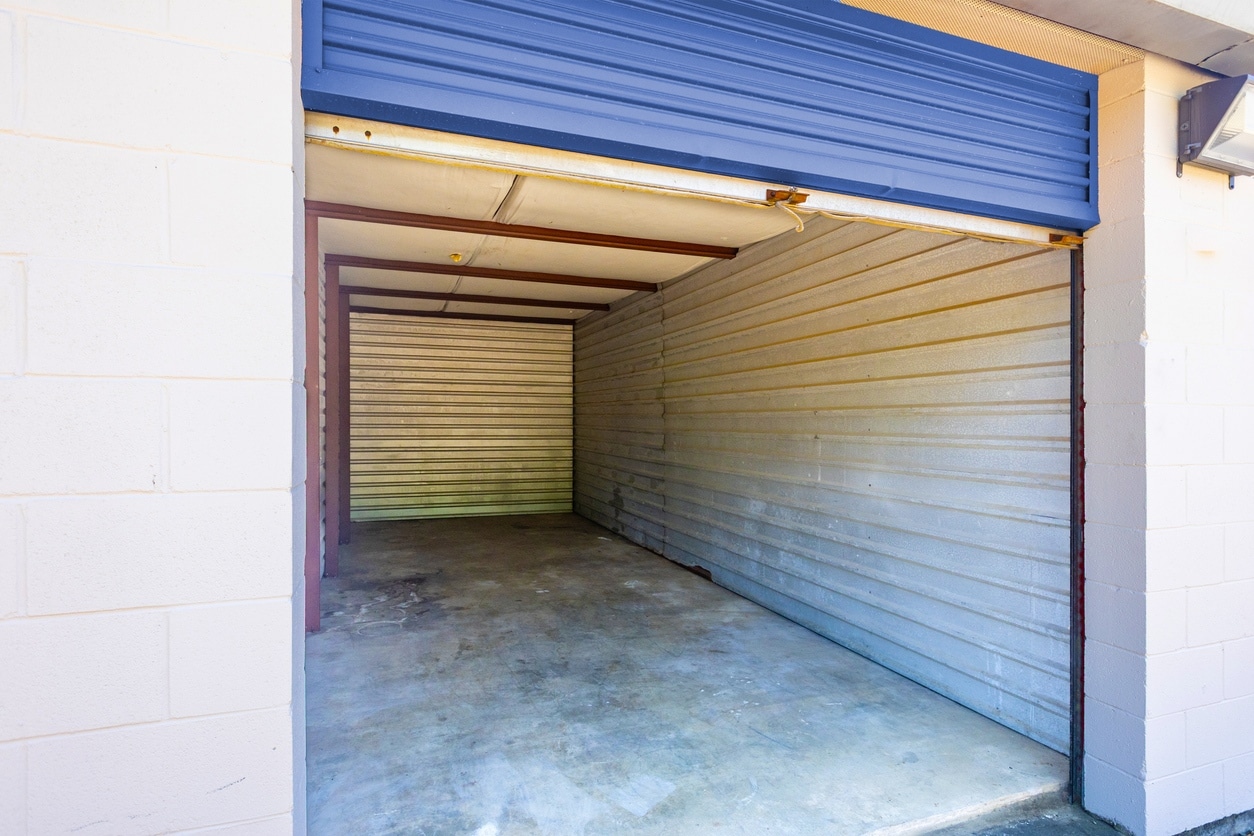
These self storage tips and tricks can help you avoid unnecessary unpacking whenever you need something:
- Plan your layout. Think about which belongings you’ll need most often before loading the unit.
- Position large furniture first. Place sturdy, bulky pieces where they won’t block access to other items.
- Use vertical space carefully. Stack compatible boxes safely, keeping heavier containers at the bottom.
- Leave an accessible walkway. If your unit has enough room, maintain a path to belongings stored toward the back.
- Label everything. Write the contents and general category on multiple sides of each box.
For additional ideas, read our tips for organizing and packing your storage unit, which cover inventory management, packing strategies, and making the most of your available space.
Why Climate-Controlled Self-Storage Matters in Chicago
Chicago’s weather changes significantly throughout the year. Freezing winter temperatures, summer heat, and periods of high humidity can make choosing the right storage environment especially important.
Not every belonging requires climate-controlled storage, but certain materials can benefit from more consistent conditions.

Which Belongings Benefit From Climate-Controlled Storage?
Consider climate-controlled storage for items such as:
- Wooden furniture that may be affected by temperature and humidity fluctuations
- Leather couches and upholstered furniture
- Televisions, computers, and sensitive electronics
- Artwork, photographs, and important documents
- Delicate clothing and valuable textiles
- Musical instruments and other temperature-sensitive possessions
Climate control can help reduce exposure to environmental extremes, but it doesn’t replace proper packing, cleaning, or moisture prevention.
CHICAGO STORAGE TIP
Temperature control helps manage environmental changes, but all items still need to be clean, dry, and properly packed.
Consider Chicago’s Changing Seasons
An item may remain in a unit through freezing winter weather or a hot, humid summer. If you’re storing belongings for several months or longer, think about how changing conditions could affect them over time.

Midway Moving & Storage offers self-storage services in Chicago, including climate-controlled options designed to accommodate residential and commercial storage needs.
Choosing an appropriate storage environment, along with using the right packing techniques, can help keep your belongings in better condition throughout their time in storage.
Protect Your Belongings With Midway Moving & Storage
Whether you’re storing a few boxes of holiday decorations or the contents of an entire home, a little preparation makes a big difference.
At Midway Moving & Storage, we’ve helped Chicago-area residents with moving and storage needs since 1987. In addition to self-storage, we offer full-service storage solutions and short-term storage options for customers who need additional flexibility.
Need a place to keep your belongings during a move, renovation, or home organization project? Contact Midway Moving & Storage today to explore storage options in Chicago and the surrounding suburbs.