
How to Pack Dishes for Moving: Protect Your Fragile Items
January 21, 2026
- News
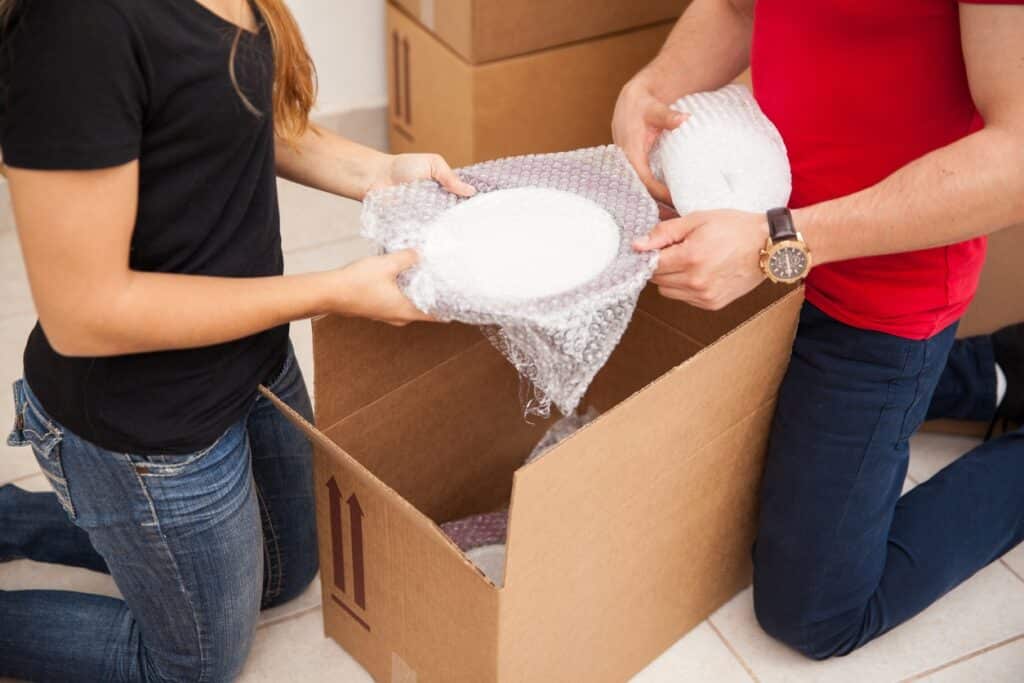
Packing dishes for a move can feel like one of the most stressful parts of relocating—and for good reason. Plates, bowls, glasses, and serving pieces are fragile, break easily, and often carry real value beyond the price tag. The good news? With the right materials and a careful, step-by-step approach, you can pack your dishware securely and reduce the risk of chips, cracks, and breakage.
This guide will walk you through exactly how to pack dishes for moving, including the best packing supplies to use, the safest way to pack plates, and smart techniques for packing glasses and other delicate kitchen items.
Table of Contents
Packing Dishes Starts with the Right Supplies
Before you wrap a single plate, start by gathering the right materials. Packing dishes is much easier when you’re using purpose-built supplies designed to protect fragile items.
Dish Packing Supplies Checklist:
- Small, sturdy moving boxes (or dish packing boxes)
- Packing paper (your go-to wrapping material)
- Bubble wrap (optional for extra-delicate items)
- Cardboard dividers/cell kits (ideal for glasses and stemware)
- Strong packing tape
- Permanent marker
- Soft cushioning material (paper or other protective padding)
If you want packing materials that are designed specifically to protect fragile kitchen items, you can always call Midway to get the right supplies for your move—without guesswork. If you’d rather have everything handled from start to finish, explore our professional packing services.
Need Assistance? Contact Our Skilled Movers
Choose the Best Boxes for Packing Dishes (And Why Size Matters)
When it comes to packing dishes, box size matters more than most people realize. The biggest mistake many movers make is choosing boxes that are too large. Dishes are heavy, and a large box filled with plates becomes difficult to carry—and more likely to drop.
Best Box Rules for Dishware:
- Choose small boxes to control weight.
- Reinforce the bottom with tape before packing.
- Avoid overfilling or forcing the box closed.
- Use stronger dish boxes for extra protection when needed.
Dish packing boxes (often double-walled) can provide added stability for heavy dishware. This is especially useful when packing larger kitchens or storing dishes long-term.
How to Pack Plates for Moving (Step-by-Step)
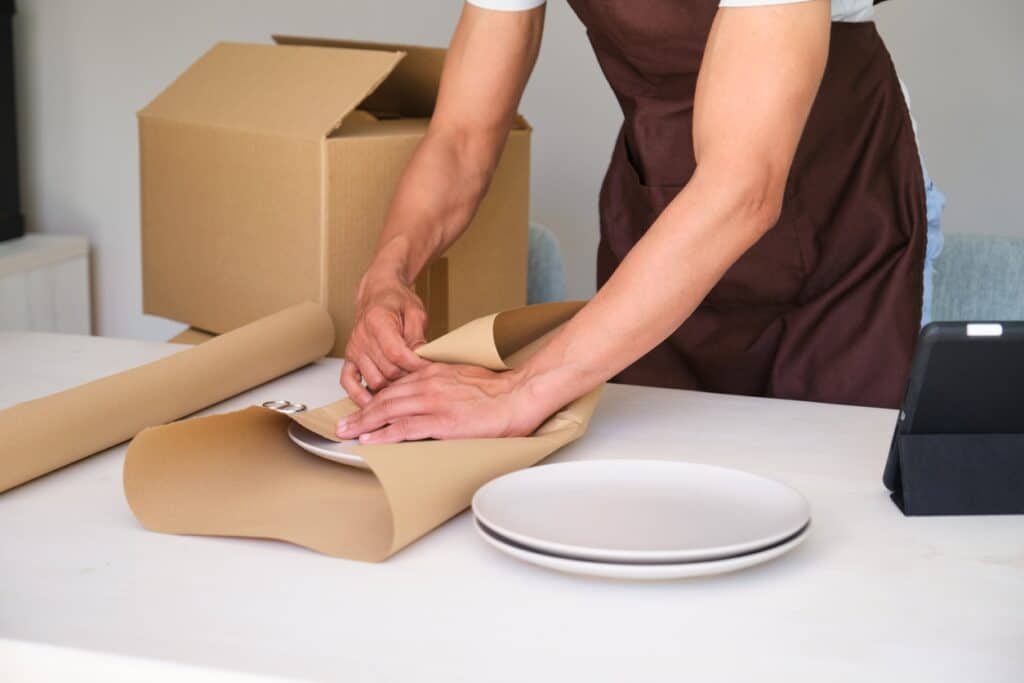
If you’re searching for the safest method for how to pack plates for moving, here’s the approach that consistently protects dishware best: wrap each plate individually and pack plates vertically (on their edge), not flat in a stack.
Step-by-step: Packing Plates Safely
- Tape the bottom of the box securely and reinforce corners.
- Add a thick cushioning layer of crumpled packing paper at the bottom.
- Wrap each plate individually using packing paper.
- Add an extra wrap around especially delicate plates.
- Place plates upright (on edge) in the box, like records in a crate.
- Fill all gaps tightly with packing paper so nothing shifts.
- Add a final cushioning layer on top before sealing the box.
Quick check: Gently lift and lightly rock the box. If anything moves, add more packing paper until it feels solid and stable.
How to Pack Bowls, Platters, and Serving Pieces
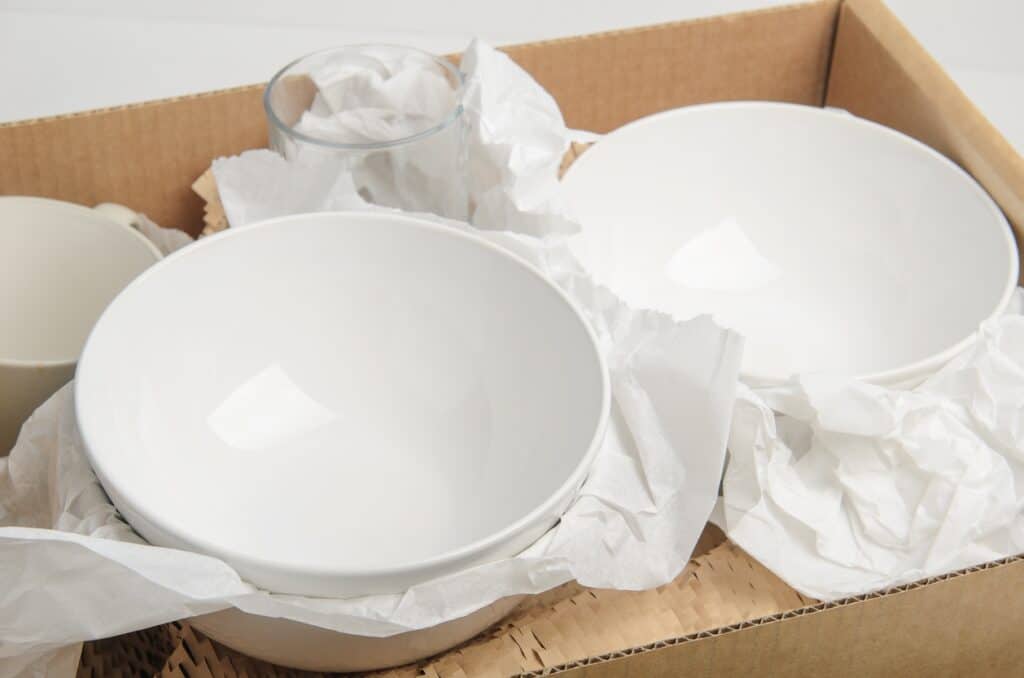
Bowls, serving dishes, and platters require slightly different packing strategies because of their size, shape, and weight. The goal is to prevent pressure points and keep everything tightly cushioned.
Packing Bowls
- Nest bowls by size, but place packing paper between each bowl.
- Wrap the outside of the stacked bowls for extra stability.
- Pack heavier bowls toward the bottom of the box.
Packing Platters and Large Serving Pieces
- Wrap each platter individually.
- Add extra padding around edges and corners.
- Place them upright or on their side with cushioning around them.
- Never leave open space in the box.
How to Pack Glasses, Mugs, and Stemware Safely
Glassware and stemware require extra attention. Even a small bump can cause cracks, chips, or shattered glass. If you are wondering how to pack glasses and stemware for moving, the best strategy is to wrap each item thoroughly to prevent any movement inside the box.
Packing Glasses and Mugs
- Stuff the inside with packing paper (this helps prevent inward collapse).
- Wrap each piece individually.
- Use dividers/cell kits whenever possible.
- Keep glasses upright and packed snugly.
Packing Stemware
- Wrap the stem carefully with extra layers.
- Cushion the base and rim.
- Use dividers and avoid stacking stemware loosely.
If you’re preparing for a full move (not just packing), you can learn more about our full-service moving solutions.
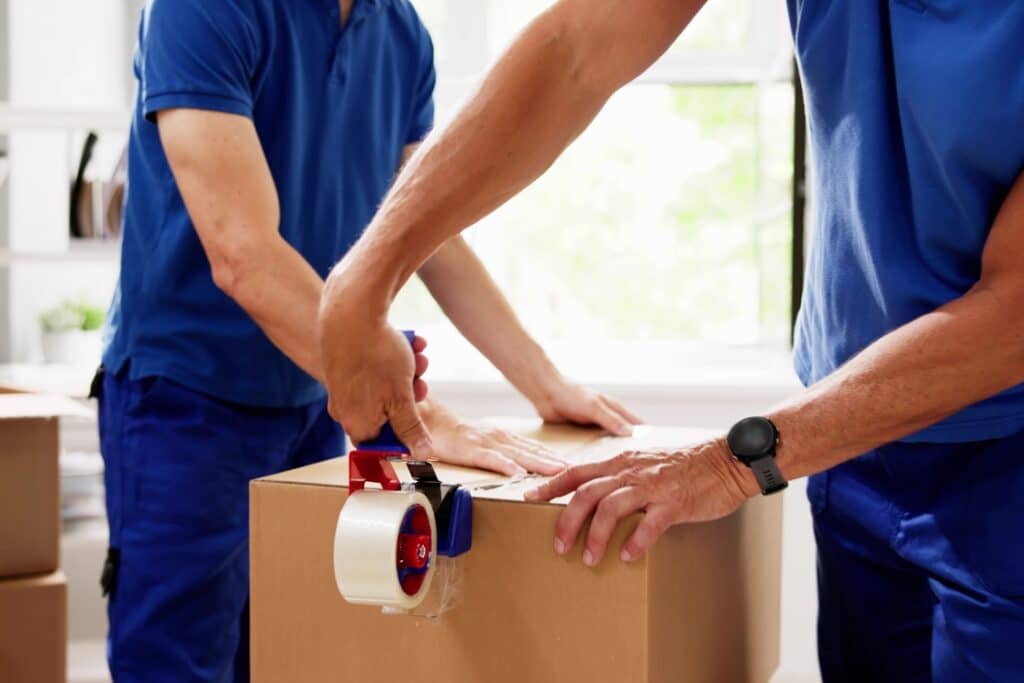
Seal, Label, and Test Your Boxes (So Nothing Shifts)
Even if your dishes are packed perfectly, they can still break if the box shifts or collapses during handling. Proper sealing and labeling keep fragile boxes safer throughout the move.
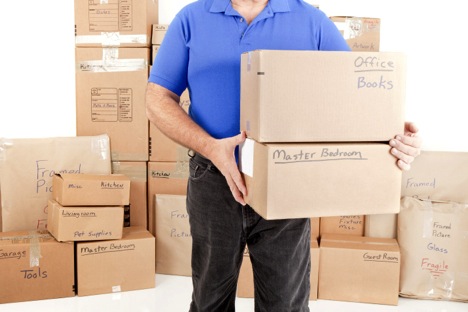
Labeling Essentials for Dish Boxes
Write clearly on multiple sides:
- FRAGILE
- THIS SIDE UP
- KITCHEN
- Optional: “Plates,” “Glasses,” or “Serving Dishes”
The Movement Test
Before stacking the box with others:
- Lift it gently.
- Rock it slightly.
- If anything shifts inside, open it and add more paper.
Labeling is often overlooked, but it’s one of the simplest ways to prevent accidental mishandling.
Loading & Stacking Dish Boxes During the Move
How you load dish boxes is just as important as how you pack them while you are moving. Dishware breaks most often when boxes are stacked incorrectly or crushed by heavier items.
Best Loading Practices
- Keep dish boxes upright.
- Place them on a flat, stable surface.
- Never stack heavy boxes or furniture on top.
- Prevent sliding by packing tightly and keeping fragile boxes secure.
Packing Dishes for Storage (Short-Term vs. Long-Term)
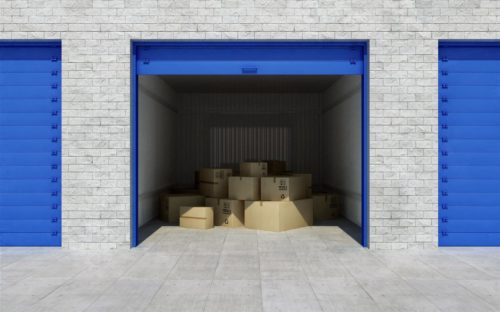
Packing dishes for storage is like packing for moving—but with extra emphasis on durability and protection over time. If you’re packing dishes for storage, you’ll want to prioritize stronger boxes and extra wrapping.
Short-Term Storage:
- Standard dish packing methods work well.
- Use sturdy boxes and clear labels.
- Keep boxes off damp floors if possible.
Long-Term Storage
- Consider heavy-duty dish boxes.
- Add extra layers of packing paper.
- Label clearly so you can find items later.
- Avoid stacking too high to prevent crushing.
If you need extra space between moves, Midway also offers comprehensive storage options and secure storage facilities to keep your packed items protected until you’re ready.
Common Mistakes That Cause Breakage
Avoiding a few common mistakes can dramatically reduce the chances of breaking dishes.
Top Dish-Packing Mistakes to Avoid:
- Using oversized boxes that become too heavy
- Skipping bottom and top cushioning layers
- Leaving empty space inside the box
- Packing plates flat in large stacks
- Mixing heavy cookware with fragile dishware
- Using weak tape or failing to reinforce the bottom
- Not labeling boxes clearly
If you’ve ever opened a box to find cracked plates, it usually comes down to movement, weight, or lack of cushioning.
Need Packing Services? Call Midway for Professional Moving and Storage Solutions
If you want to pack your kitchen with confidence, the right supplies make all the difference. Midway offers professional-grade packing solutions and trustworthy moving services in Arlington Heights, Illinois along with the surrounding areas. Our team will work with you to choose the best packing materials that are ideal for fragile items like plates, bowls, glasses, and stemware.
Give our professionals a call at (800) 300-0002 to schedule packing and moving services. You can also visit our Midway Service Center for additional moving and packing resources.
FAQ: Packing Dishes
Contact Our Professionals
Learning how to pack dishes for moving is all about using the right materials, wrapping each item carefully, and packing boxes so nothing shifts. With a calm, structured process, you can protect your fragile dishware and make unpacking far easier on the other side of your move.
And if you’d rather skip the supply guesswork, call Midway for professional-grade packing materials that help protect your kitchen items from start to finish. If you’re planning a full move, you can also request a free moving estimate to get started.